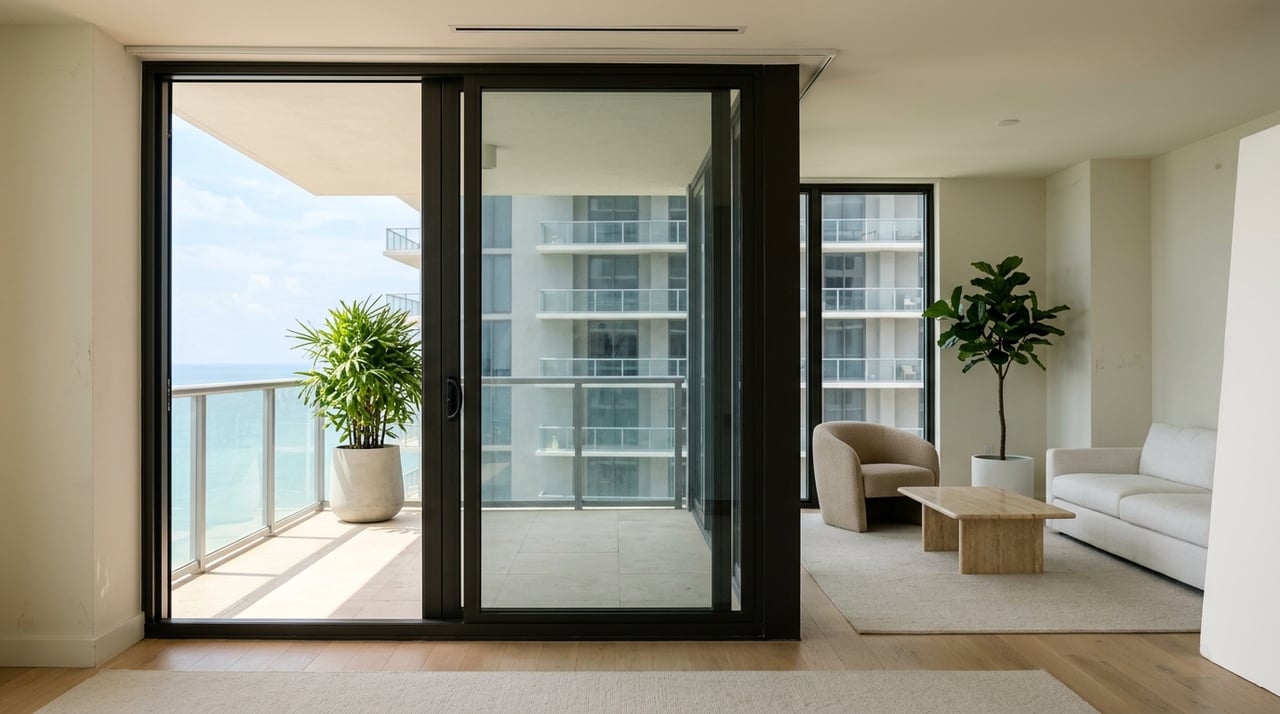
Trying to decide between a Miami condo and a single-family home? You’re not alone. Both options can work well here, but the right choice comes down to your budget, your risk comfort, and the lifestyle you want. In this guide, you’ll learn how costs really add up, what new Florida condo rules mean for buyers, and a step-by-step checklist to compare options with confidence. Let’s dive in.
Miami at a glance: prices and trends
Miami-Dade’s condo and single-family markets behave differently. As a starting point, the median single-family sale price was about $675,000 and the median condo sale price was about $415,000 in January 2025, so condos often offer a lower entry price. You can review current medians in the latest MIAMI REALTORS reports for context on where the market is today. MIAMI REALTORS data on Miami-Dade medians
Over the last decade, both segments saw strong appreciation, with single-family homes outpacing condos on average. Still, momentum shifts across neighborhoods and price points. If you are buying now, focus less on past percentage gains and more on building health, ongoing costs, and resale flexibility.
Costs that change the math
Sticker price is only the starting point. Your true monthly cost includes financing, taxes, insurance, and either HOA dues or direct maintenance spending.
Upfront price and financing
Condos often have a lower purchase price, but financing can be more complex. FHA and VA loans have special rules for condos. FHA financing usually requires the condo project to be FHA approved or to qualify via a single-unit approval, which not every building can achieve. Start by checking a building’s status early. HUD’s condo approval guidance
Conventional lenders also review the health of a condo building. If an association has low reserves, large pending assessments, significant repairs, high investor concentration, or litigation, the project can be considered non-warrantable. That can limit your loan options and affect resale. Ask your lender to review project warrantability before you fall in love with a unit.
Monthly costs: HOA dues vs. home upkeep
Condo owners pay monthly HOA dues. These dues typically cover building insurance, common area maintenance, staff, and amenities. In newer high-rises and waterfront towers, dues can be high, especially when insurance and staffing are significant budget items.
Single-family owners avoid condo dues, but they take on yard, pool, roof, driveway, and full structural maintenance out of pocket. You will want to budget annually for big-ticket items, like roof or HVAC replacement. In condos, those long-term costs are pooled through reserves. In houses, you self-fund or borrow for them.
Property taxes and homestead
Florida’s homestead exemption and the Save Our Homes cap can reduce and limit increases to assessed value for your primary residence. If you plan to live in the property full-time, confirm your eligibility and the filing deadlines with the Miami-Dade Property Appraiser. Miami-Dade homestead and Save Our Homes overview
Insurance realities in Miami
Insurance is a key variable in South Florida. For condos, the association carries a master policy that generally covers the building structure and common elements, while you carry a unit interior policy (HO-6). For houses, you carry the entire homeowners policy yourself.
Understand the difference between hurricane or wind coverage and flood insurance. Lenders usually require flood insurance for properties in FEMA Special Flood Hazard Areas. Hurricane deductibles are often percentage-based, so your out-of-pocket share after a major storm can be significant. Guide to wind vs. flood coverage and deductibles
It is also important to know that insurance costs for many Florida associations have risen in recent years, which has pushed HOA dues and, in some cases, assessments. Keep this in mind when comparing a condo’s monthly budget to a house. Citizens Insurance press updates on market changes
Special assessments and the new condo rules
Florida passed new legislation after the 2021 Surfside collapse that changed how condos are inspected, budgeted, and disclosed. Buildings that are 3 or more stories must undergo milestone structural inspections at set ages and complete Structural Integrity Reserve Studies, then fund reserves accordingly. These rules have led some associations to increase dues or levy special assessments to pay for required repairs. Florida DBPR condo FAQs on inspections and reserves
To understand the scale, local reporting has covered multimillion-dollar special assessments in some Miami Beach towers, showing how inspection findings can flow directly into owner costs. Always review a building’s inspection reports, reserve status, and any past or pending assessments before making an offer. Example reporting on a large South Beach assessment
If you want the legal background, you can read the bill text that refined the inspection and reserve rules. Florida Senate SB 154
Lifestyle and location fit
Your daily routine matters just as much as numbers on a spreadsheet. Here is a quick look at how different Miami areas tend to align with property types. Use this as a starting point only.
- Brickell, Downtown, Edgewater: Predominantly high-rise condos and mixed-use living with walkable amenities and a service-forward lifestyle.
- Miami Beach and South Beach: Strong condo concentration, from boutique buildings to oceanfront towers, with a hospitality-style environment.
- Coconut Grove and Coral Gables: A mix of condos and many single-family homes on tree-lined streets, close to parks and neighborhood centers.
- Pinecrest, Doral, Kendall and other inland suburbs: Primarily single-family homes with larger lots and planned communities.
- Key Biscayne and Aventura: A mix of condos and houses with strong waterfront and island access.
If you want minimal exterior maintenance, on-site amenities, and a lock-and-leave setup, a condo can fit well. If you want a private yard, space for pets, and more control over your property, a single-family home may be the better match.
A simple decision framework
Ask yourself these questions to narrow your choice:
- How much monthly cost can I carry comfortably if insurance or dues rise?
- How important is private outdoor space versus shared amenities?
- Do I need FHA or VA financing, and is the condo building eligible?
- What is my tolerance for shared decision-making with an association?
- How long do I plan to own the property, and how important is resale flexibility?
- Do I plan to rent the property, and what do the association and city allow?
- Is the building or home in a flood zone, and what will insurance cost at this address?
What to review before you buy a condo
Use this checklist to protect your budget and your future resale value:
- Structural and reserves: Request the latest milestone inspection and the Structural Integrity Reserve Study, along with any Phase II reports and timelines. DBPR condo FAQs on SIRS and milestones
- Financials: Review the current budget, audited financials, and bank balances to confirm reserve funding and operating cushion.
- Assessments: Ask for a history of special assessments, plus any approved or proposed assessments and their payment schedules. Read recent board meeting minutes for context.
- Insurance: Get the association’s master insurance summary and confirm wind and flood coverage, deductibles, carrier stability, and renewal dates.
- Warrantability and loans: Have your lender check whether the project meets conventional standards, and confirm FHA or VA options if needed. HUD condo approval overview
- Flood and elevation: Verify the flood zone and obtain an insurance quote tied to the specific unit address. Miami-Dade flood maps
- Leasing rules and city permits: Confirm minimum lease terms, any short-term rental restrictions, and local permitting rules if you plan to rent. City of Miami short-term rental procedures
What to review for a single-family home
For houses, focus on condition, risk mitigation, and operating costs you control directly:
- Major systems and structure: Age and condition of roof, HVAC, plumbing, electrical, windows, and any pool equipment. Ask for recent service records and permit history.
- Wind and flood risk: Confirm wind mitigation features that can reduce premiums and check flood zone status. Overview of hurricane vs. flood coverage
- Maintenance planning: Budget for yard, pool, pest control, exterior painting, and reserves for big-ticket items.
Do a back-of-the-envelope monthly comparison
Here is a simple way to compare a condo and a single-family home using local context:
- Start with today’s median prices: about $415,000 for condos and $675,000 for single-family in Miami-Dade, as of January 2025. MIAMI REALTORS median prices
- Add your estimated mortgage payment based on your down payment and rate quote.
- Add property taxes. If this will be your primary residence, estimate with the homestead exemption and Save Our Homes cap in mind. Homestead overview
- Add insurance. For condos, price your HO-6 and confirm how the master policy handles wind and flood. For houses, price a full homeowners policy and flood if required.
- For condos, add HOA dues and any documented assessments. For houses, add a monthly allowance for yard, pool, and long-term maintenance.
- Pressure test your numbers. Ask what happens if insurance or dues rise, or if a condo assessment is levied.
This quick exercise helps you see that a lower condo purchase price does not always mean a lower monthly outlay.
Who tends to be happiest with each choice
- Often happier in condos: Urban professionals, frequent travelers, and buyers who want amenities with minimal exterior maintenance and a lock-and-leave setup.
- Often happier in single-family homes: Households who want private outdoor space, more control over property decisions, and less exposure to association rules and assessments.
Neither option is “better” overall. Your priorities, financing, and risk comfort drive the answer.
Ready to compare specific Miami neighborhoods, buildings, or homes that fit your lifestyle and budget? Reach out to the team at OneAgent Realty to get a tailored shortlist and a clear path forward.
FAQs
What changed with Florida’s new condo inspection and reserve rules?
- Florida now requires milestone structural inspections and Structural Integrity Reserve Studies for many buildings, plus stricter reserve funding and disclosures, which can increase dues or trigger assessments. DBPR condo FAQs
How do HOA fees affect Miami condo affordability?
- HOA dues vary widely by building and can be significant in amenity-rich towers; always include dues and any known assessments in your monthly budget alongside mortgage, taxes, and insurance.
Can I use FHA or VA financing for a Miami condo?
- Possibly, but FHA and VA have project-specific requirements; check whether the building is approved or if single-unit approval is available before you submit an offer. HUD condo guidance
What insurance do I need for a condo vs. a house in Miami?
- Condos typically need an HO-6 policy for the interior plus rely on the association’s master policy; houses need a full homeowners policy. Flood insurance is separate and may be required in FEMA flood zones. Wind vs. flood coverage overview
Are special assessments common in Miami condos right now?
- Many associations are addressing new inspection findings and reserve requirements, and some have levied large assessments; review inspection reports, budgets, and meeting minutes before you buy. Example of a large assessment