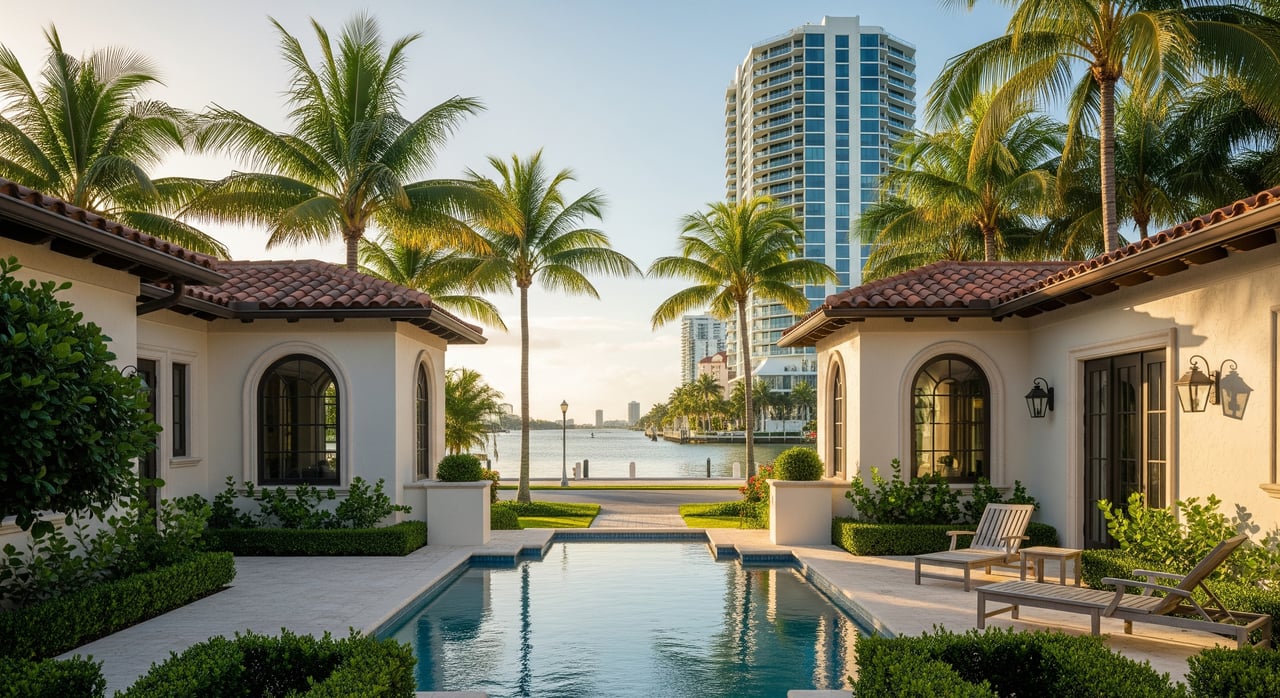
Trying to decide between a condo and a home in an HOA community in West Palm Beach? You are not alone. Many buyers weigh walkable condo convenience against the freedom of a single-family or townhouse with an HOA. This guide breaks down costs, rules, insurance, financing, and lifestyle so you can pick the best fit with confidence. Let’s dive in.
HOA vs. condo: what you actually own
Condo basics under Florida law
In a condominium, you own the inside of your unit. You share ownership of the building’s exterior and common areas with other owners. Exterior maintenance, structural elements, and building systems are usually managed by the condo association.
Florida regulates condos under the Florida Condominium Act. You can review the statute in the Florida Statutes, Chapter 718. It sets out rules for records access, meetings, elections, budgets, and owner rights.
HOA basics for single-family and townhouse communities
In most HOA communities with fee-simple ownership, you own the home and the land it sits on. The HOA maintains common areas such as gates, roads, and amenities. You are often responsible for your roof, exterior paint, and structural repairs, although the exact split depends on the governing documents.
Florida regulates HOAs under the Florida Homeowners’ Association Act, Chapter 720. It covers procedures for meetings, elections, records, and assessments.
Townhouses can be either
Some townhouses are legally condos. Others are fee-simple homes inside an HOA. This matters for what you maintain, what insurance you need, and how lenders underwrite your loan. Always confirm the ownership regime in the declaration and bylaws before you tour.
What monthly fees usually cover
Condo fees: more services, broader coverage
Condo dues often include building insurance for the structure, exterior and common area maintenance, elevator service, staff or management, and shared amenities such as pools or gyms. Utilities like water or basic cable may be included in some buildings. Full-service and waterfront buildings in West Palm Beach often carry higher monthly fees because they cover more building-level expenses.
HOA dues: common areas and amenities
HOA dues typically pay for community landscaping, private roads, gates, parks, and amenity upkeep. You handle your home’s exterior and structure in most fee-simple communities. Dues can be lower than a full-service condo, but your personal budget should include exterior upkeep and repairs.
Reserves and special assessments
Both condos and HOAs can levy special assessments for big projects such as roof replacement, structural work, or major amenity repairs. Ask for the most recent reserve study or schedule, the current reserve balance, and any planned capital projects. A well-funded reserve reduces the chance of near-term special assessments. The Florida Department of Business and Professional Regulation has helpful consumer resources on association operations and records access at the DBPR condominium and association portal.
Insurance and risk in Palm Beach County
Who insures what
- Condos: The association’s master policy typically insures the building shell and common areas. You carry an HO-6 policy for interior finishes, personal property, and loss assessment coverage.
- HOA single-family: You carry an HO-3 or HO-5 policy that insures the structure and contents. The HOA insures common elements only.
Insurance costs in Florida can vary with wind exposure, building age, and claim history. For an overview of Florida’s insurance environment, consult the Florida Office of Insurance Regulation.
Flood risk and hurricanes
Palm Beach County is coastal and low-lying. Flood risk and windstorm exposure are central to your budget and peace of mind. Lenders require flood insurance for homes in Special Flood Hazard Areas. Even outside high-risk zones, flood insurance may be a smart choice in West Palm Beach. Check a property’s flood zone using the FEMA Flood Map Service Center.
Deductibles and loss assessments
Hurricane deductibles on both condo master policies and homeowner policies can be significant. If a condo’s master policy has a large wind or hurricane deductible, owners can share that cost through a loss assessment. Ask how deductibles and loss assessments are handled before you write an offer.
Financing and resale considerations
Condos have project-level underwriting
Lenders underwrite both you and the condo building. They look at owner-occupancy ratios, litigation, budget and reserves, and delinquency rates. FHA and VA financing require separate project approvals, which some buildings do not have. If you need one of these loan types, confirm project eligibility early.
HOAs are often simpler to finance
Loans on fee-simple single-family homes are usually more straightforward because the collateral is your individual property. This can make appraisal and underwriting simpler for some buyers. That said, always confirm the community’s rules, assessments, and financial health because they still affect value and marketability.
Rules, governance, and day-to-day living
Lifestyle fit
- Choose a condo if you want minimal exterior chores, a lock-and-leave setup, and on-site amenities like a pool, gym, or security. Downtown West Palm Beach and waterfront corridors have many buildings that favor walkability to dining and marinas.
- Choose an HOA single-family or townhouse if you want a yard, more control over your exterior, and a traditional home setting with community amenities but fewer building services.
How rules are enforced
Both condos and HOAs can regulate parking, pets, leasing, noise, and modifications. Condos often set stricter rules because of shared walls and higher density. HOAs may focus on architectural standards such as paint colors, landscaping, and exterior changes. Procedures for fines, notices, and hearings are set by state law and the community’s governing documents. You can review the legal framework in Chapter 718 and Chapter 720.
Local factors in West Palm Beach
Urban condo living vs. suburban HOA communities
Downtown West Palm Beach offers mid-rise and high-rise condos with walkable access to dining and entertainment. Suburban parts of Palm Beach County feature gated HOA communities and townhouse neighborhoods with parks, pools, and private roads. Waterfront options in both categories can carry higher insurance and maintenance costs.
Taxes and the homestead exemption
If you plan to make the property your primary residence, you may qualify for Florida’s homestead exemption, which can lower your taxable value. The Palm Beach County Property Appraiser provides details on eligibility and applying. Start at the Palm Beach County Property Appraiser website.
Short-term rental policies
If you plan to rent the property, check city or county requirements for licensing and taxes, along with any community restrictions. Associations often set minimum lease terms and may prohibit short stays. For municipal rules and contacts, use the City of West Palm Beach website and confirm association policies in writing.
What to review before you tour
Key documents to request
- Declaration and bylaws: CC&Rs for HOAs or the Condominium Declaration.
- Budgets: current year plus the last 2 to 3 years.
- Reserves: most recent reserve study or schedule and current balance.
- Board minutes: last 12 to 24 months.
- Insurance summaries: association master policy and coverage details.
- Rules and regulations: pets, parking, leasing, architectural control.
- Litigation: any pending or recent lawsuits or insurance claims.
- Special assessments: history and planned capital projects.
- Management info: management contract and point of contact.
- Estoppel letter or payoff statement: confirms dues and any delinquencies.
Smart questions to ask
- What does the association’s insurance cover, and what is my responsibility?
- Are any special assessments planned? What is the timeline and cost?
- What is the owner-occupancy rate and current dues delinquency rate?
- Are there rental restrictions or short-term rental policies?
- For condos: When was the last building-wide inspection, and are the elevators, roof, and major systems up to date?
- For HOAs: What exterior items are my responsibility, and what are the architectural review rules?
How to choose: a quick decision guide
You may lean condo if you:
- Want low exterior maintenance and building services included.
- Prefer on-site amenities and walkable downtown living.
- Plan to use the home seasonally and want a simpler lock-and-leave setup.
You may lean HOA single-family or townhouse if you:
- Want a yard and more control over your home’s exterior.
- Prefer lower monthly dues with the flexibility to manage your own repairs.
- Want broader financing options and a property type with wide resale appeal.
Next steps
You do not have to figure this out alone. Our team helps you compare true monthly costs, review association health, and map your lifestyle to the right communities across West Palm Beach and Palm Beach County. If you are ready to narrow your options or want a curated shortlist, reach out to OneAgent Realty for a tailored consultation.
FAQs
What is the main difference between HOA and condo ownership in Florida?
- In condos you own the interior of your unit while the association maintains the building and common areas, and in HOAs you usually own the home and lot and are responsible for exterior maintenance unless the documents say otherwise.
Are condo fees always higher than HOA dues in West Palm Beach?
- Not always, but condo fees often run higher because they include building insurance, structural upkeep, and more services, while HOA dues usually focus on common areas and amenities.
How do hurricanes affect condo and HOA costs in Palm Beach County?
- Hurricanes can raise insurance costs and deductibles and may lead to special assessments for major repairs, so it is smart to review coverage, reserves, and deductible exposure before you buy.
Can I use FHA or VA loans to buy a condo in West Palm Beach?
- Possibly, but the condo project must meet program approval and lender requirements, so verify building eligibility early if you plan to use FHA or VA financing.
Where do I check flood risk before purchasing a home or condo?
- Look up the property’s flood zone at the FEMA Flood Map Service Center and ask your insurance agent for quotes on flood and wind coverage before you write an offer.